Поради експертів: як логопедична терапія допомагає підготувати дитину до школи
Розуміння важливості логопедичної терапії
Логопедична терапія часто асоціюється виключно з корекцією заїкання або порушень звуковимови. Проте її користь набагато ширша, особливо коли йдеться про підготовку дитини до школи. Шкільна готовність охоплює цілий комплекс навичок, і саме комунікація є його основою. Логопедична терапія відіграє ключову роль у формуванні здатності дитини успішно навчатися в класі.
Діти із затримками мовлення або мовленнєвого розвитку можуть мати труднощі у спілкуванні з однолітками та вчителями. Це впливає як на навчання, так і на соціалізацію — важливі складові шкільного життя. Раннє втручання допомагає значно полегшити адаптацію до школи, що особливо актуально для родин, які проживають за кордоном, наприклад у Латвия, Эстония чи Финляндия.
Розвиток комунікативних навичок
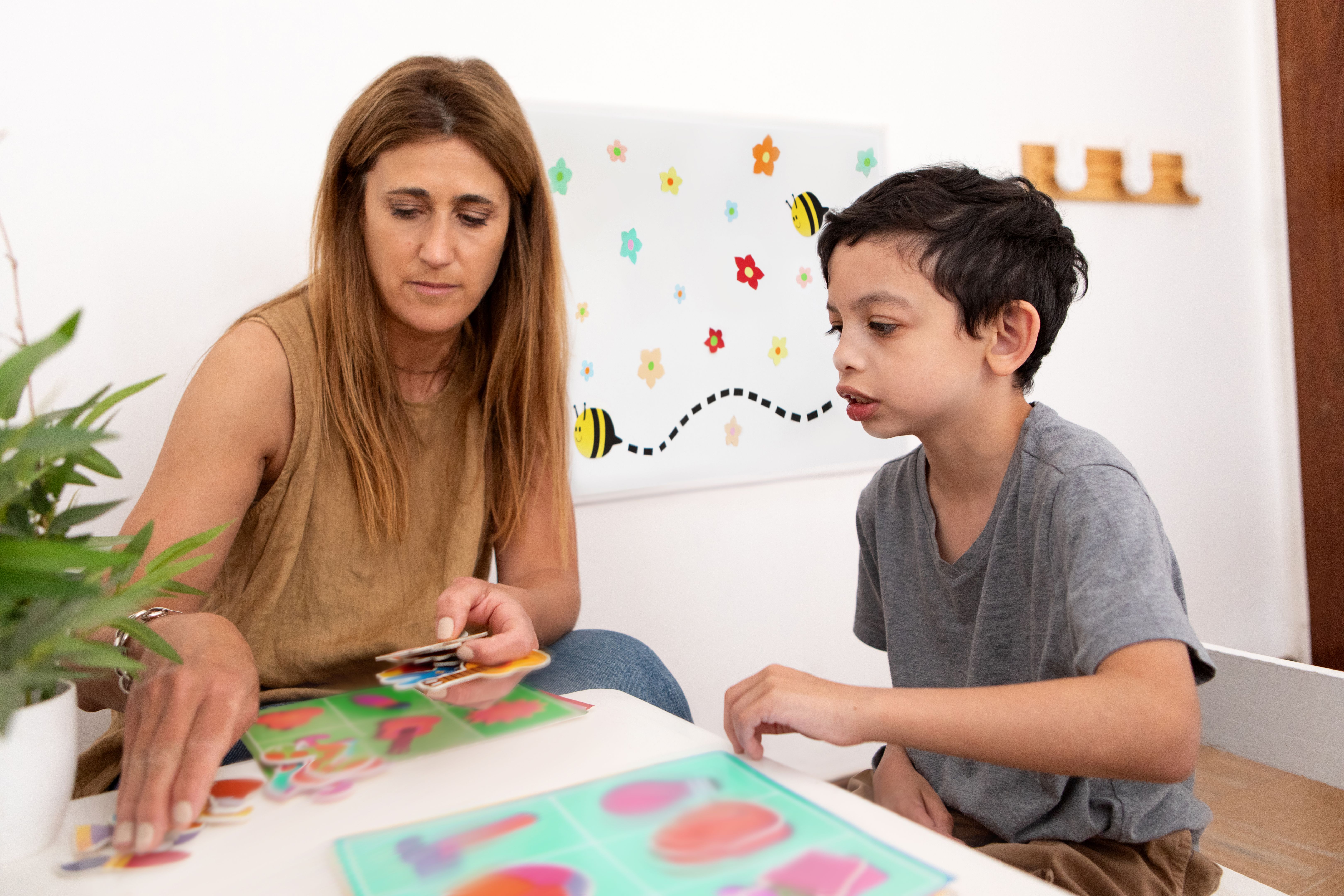
Одне з головних завдань логопедичної терапії — розвиток комунікації, як вербальної, так і невербальної. За допомогою спеціальних вправ і методик логопеди навчають дітей чітко висловлювати свої думки та краще розуміти інших.
Діти вчаться будувати речення, використовувати відповідну лексику та розвивають навички слухання — усе це необхідно для розуміння інструкцій у класі та активної участі в групових заняттях. Ці навички є фундаментом академічного успіху та впевненості в собі.
Покращення соціальної взаємодії
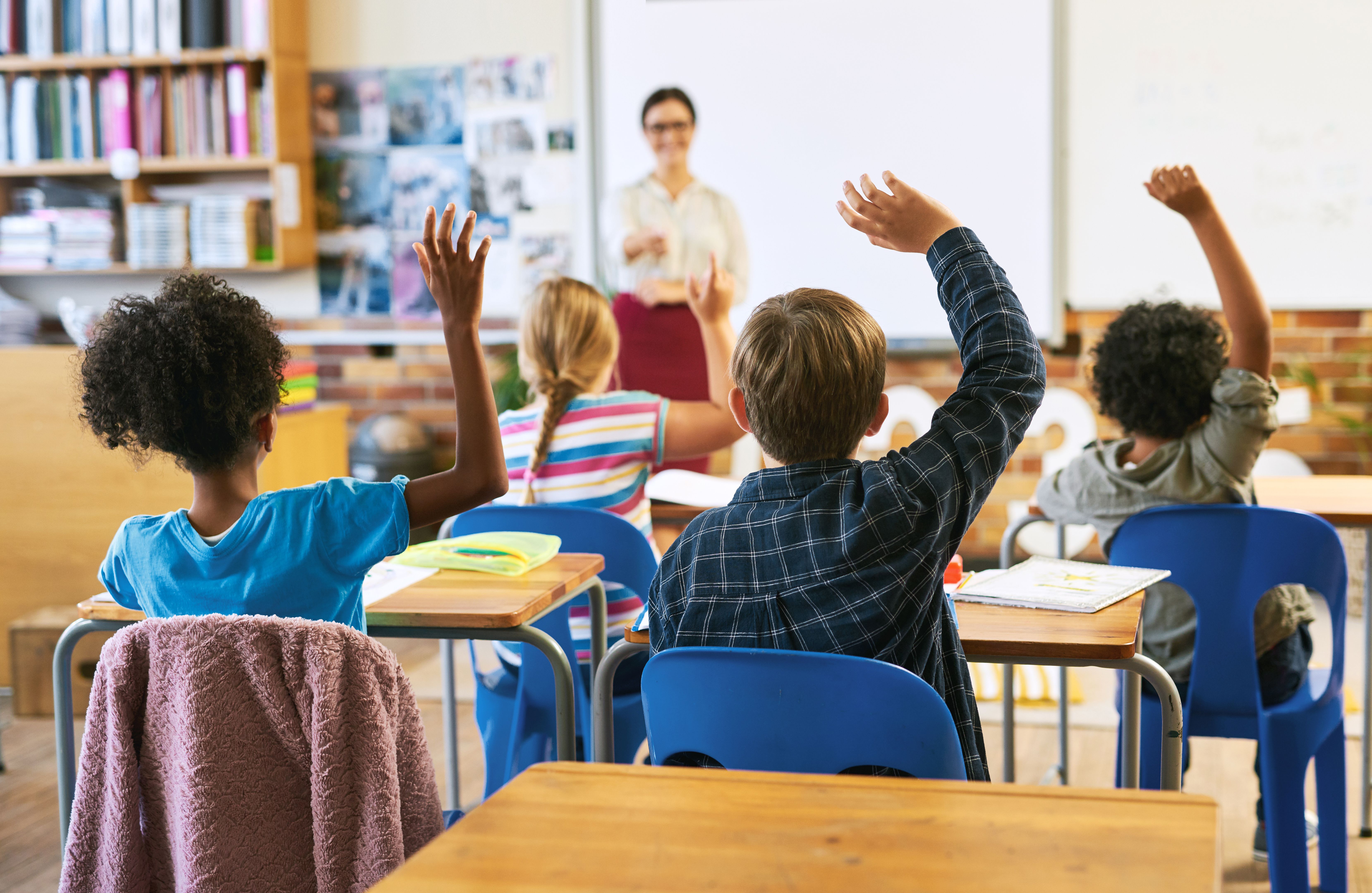
Соціальна взаємодія — ще один ключовий аспект шкільної готовності. Дітям з мовленнєвими труднощами часто складно заводити друзів і підтримувати спілкування, що може призводити до ізоляції.
Логопедична терапія допомагає подолати ці бар’єри, навчаючи дітей ініціювати та підтримувати розмову. Часто використовуються ігрові методики, які дозволяють відпрацьовувати навички у безпечному та підтримуючому середовищі. Це готує дитину до реальних соціальних ситуацій у школі.
Підтримка когнітивного розвитку
Логопедична терапія впливає не лише на мовлення, а й на когнітивний розвиток. Мовні навички тісно пов’язані з пам’яттю, увагою та мисленням. Розвиваючи мовлення, логопед одночасно стимулює загальний інтелектуальний розвиток дитини.
Під час занять використовуються вправи, які активізують мислення та заохочують дитину до вирішення завдань у цікавій формі. Це допомагає підтримувати мотивацію та інтерес до навчання.
Формування впевненості та самооцінки
Впевненість у собі та здорова самооцінка є важливими складовими готовності до школи. Діти з мовленнєвими порушеннями часто стикаються з фрустрацією або сором’язливістю, що негативно впливає на їхній емоційний стан.
Логопедична терапія допомагає дітям відчути успіх і власні досягнення. Коли дитина бачить реальний прогрес, зростає її впевненість, а разом із нею — позитивне ставлення до навчання та школи загалом.
Підготовка до академічного успіху
Головна мета логопедичної терапії в контексті шкільної готовності — створити міцну основу для подальшого навчання. Ефективна комунікація є ключем до засвоєння знань, і рання корекція мовленнєвих труднощів значно підвищує шанси дитини на успіх у школі.
Батькам і педагогам важливо співпрацювати з логопедом, щоб дитина отримувала комплексну підтримку. Раннє втручання може кардинально змінити освітній шлях дитини та забезпечити їй впевнений старт у школі — незалежно від того, чи це Україна, Эстония, Финляндия або Латвия.